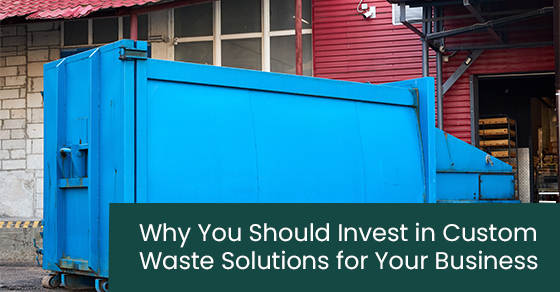
Waste management has become a larger operational issue for many businesses. Disposal costs continue to rise, waste volumes fluctuate, and inefficient handling can create unnecessary strain on staff, storage areas, and service budgets. For business owners and facility managers, the problem is not just getting rid of waste. It is finding a system that keeps operations moving without turning garbage and recyclables into a constant disruption.
Custom waste solutions can help solve that problem in a more practical way. Instead of relying on a one-size-fits-all setup, businesses can match their waste equipment and collection approach to the amount and type of material they generate. In many cases, waste compactors play a central role by reducing volume, improving site organization, and making waste handling more efficient.
That has long-term value beyond convenience. A better waste system can lower hauling frequency, support waste reduction efforts, and create more predictable costs over time. For businesses trying to manage waste more strategically, the right setup can make a noticeable difference.
How Custom Waste Compactors Improve Business Efficiency
A compactor is more than a container with extra pressure behind it. It changes how waste moves through the site and how often it needs to leave. For businesses dealing with steady commercial waste, waste compactors can reduce the time, space, and labour tied to daily waste handling while supporting broader cost-control goals.
Reduce Waste Volume and Pickup Frequency
One of the clearest benefits of a compactor is volume reduction. By compressing waste, the same container can hold far more material than a standard bin or open-top setup. That means fewer overflows, fewer interruptions, and better use of available space.
Lower volume often leads directly to fewer collection pickups. For businesses that generate large amounts of waste, that can reduce hauling costs and cut down on the site traffic that comes with constant service calls.
Improve Workplace Organization and Cleanliness
Loose bags, overflowing bins, and temporary waste piles can quickly create a messy work environment. A compactor centralizes waste handling in one designated area, which helps keep service zones, loading areas, and workspaces cleaner.
A more organized setup also supports safety and workflow. Employees spend less time navigating cluttered waste areas, and businesses can reduce some of the daily mess that builds up when waste is handled through multiple containers.
Lower Waste Disposal Costs
Waste disposal costs are not only about how much material leaves the property. They are also shaped by pickup frequency, container use, labour demands, and how efficiently the waste stream is managed.
Compactors help control those costs by reducing the number of hauls required and making waste handling more consistent. Over time, that can make budgeting easier, especially for businesses that want fewer surprises in their waste management expenses.
Enhance Recycling Efforts
Compactors can also support better recycling practices when waste streams are separated properly. Businesses that already sort cardboard, packaging, or other recyclable materials may find it easier to manage those streams with equipment designed for higher volume handling.
That supports waste reduction goals in a practical way. Rather than treating recycling as an afterthought, businesses can build it into a more organized waste strategy that is easier to maintain day after day.
Save Time and Labour
Manual waste handling takes more time than many businesses realize. Staff may need to break down boxes, move waste between bins, deal with overflow, or make repeated trips to disposal areas throughout the day.
A compactor reduces much of that extra handling. With fewer waste-related interruptions, employees can spend more time on the work that actually drives the operation. For busy commercial sites, that kind of efficiency adds up quickly.
When Custom Waste Solutions Make Sense for Your Business
Not every business has the same waste profile, which is why custom solutions are worth considering. Retail operations may need help managing cardboard and packaging. Industrial facilities often deal with higher waste volumes and tighter site logistics. Hospitality businesses may need cleaner, more controlled handling for steady daily waste output.
A few signs usually point to the need for a better setup: waste bins fill too quickly, pickups are happening more often than expected, disposal costs keep climbing, or staff are spending too much time dealing with waste instead of core tasks. In those situations, it is worth reviewing the current system and asking whether the equipment still matches the business.
The right solution depends on factors such as waste type, volume, available space, and how the site operates day to day. A custom approach makes more sense when standard bins are no longer keeping up.
Take Control of Your Waste with Waste Compactors
A stronger waste strategy can improve day-to-day operations, reduce hauling demands, and create a cleaner, more manageable work environment. For businesses dealing with rising disposal costs and growing waste volume, waste compactors offer a practical way to support efficiency, waste reduction, and better long-term control.
Reach out to Butler Disposal today at 1-905-642-0162, email us at [email protected] or click here to get in touch online.
FAQ
What are waste compactors used for in businesses?
Waste compactors are used to compress commercial waste so it takes up less space. Businesses often use them to manage higher waste volumes more efficiently and reduce the number of waste pickups needed.
How do waste compactors reduce costs?
They lower costs by decreasing waste volume, which can reduce pickup frequency and improve handling efficiency on site. Over time, that can lead to more predictable disposal expenses and lower labour demands.
Are waste compactors suitable for small businesses?
They can be, depending on the amount and type of waste being produced. Different compactor sizes and setups make them suitable for a range of businesses, including smaller operations with steady waste output.
How do compactors support recycling efforts?
They can help businesses manage recyclable materials more efficiently when waste streams are separated properly. That can make recycling programs easier to maintain and better aligned with sustainability goals.
What should I consider before renting a compactor?
Look at the type of waste your business produces, the volume being generated, and the space available on site. It also helps to review how your current waste process is working and where delays, overflow, or extra costs are showing up.