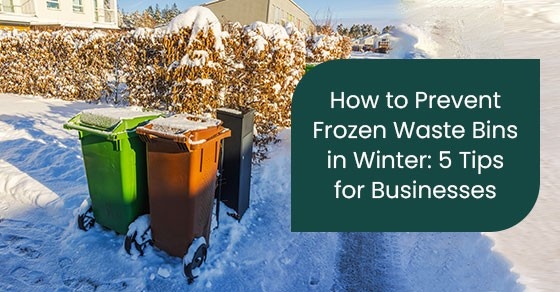
Winter can bring unexpected challenges for businesses, especially in waste management. Frozen bins don’t just delay service. They can cause structural damage, safety risks, and sanitation issues. If your commercial waste collection gets disrupted during a cold snap, the fallout can affect everything from operations to employee safety. Fortunately, with the right winter strategies, businesses can prevent these issues before they start.
Whether you run a restaurant, retail shop, or industrial facility, a solid waste management plan helps protect your people, your property, and your productivity. This blog lays out simple, actionable strategies to keep your bins accessible, intact, and service-ready throughout the season. Let’s dig into how you can stay ahead of winter waste woes.
Why Winter Waste Bin Preparation Matters
Frozen waste bins can derail daily operations, create sanitation hazards, and increase liability risks. Missed pickups due to weather conditions often lead to overflowing containers, which not only look unprofessional but can also attract pests and produce unpleasant odours. For businesses that rely on efficient waste collection, even a single missed service can cause major setbacks.
Preparing waste bins for winter shows a proactive approach to safety, hygiene, and operational efficiency. It reduces unexpected disruptions and demonstrates a commitment to responsible business practices. Creating a winter-specific checklist and working closely with your waste management provider helps ensure your bins stay functional and accessible all season long.
5 Steps to Prevent Frozen Waste Bins with Proactive Waste Management
1. Schedule Regular Waste Collection Before Storms
Winter weather often causes unexpected delays, so it’s important to stay ahead of snow and ice whenever possible. Consider scheduling extra waste collection during weeks when storms are forecasted. This proactive step helps prevent overflow, which can freeze solid inside your bins and become a major obstacle. A full, frozen bin is not only difficult to empty, but it can also damage the container and pose safety risks during collection. Additionally, staggering your commercial waste pickups throughout the week further reduces the likelihood of missed service windows. This ensures your bins are emptied on time, even when winter conditions complicate accessibility.
2. Keep Bins in Sheltered or Sunny Areas
To minimize exposure to harsh weather, position your bins in locations that offer protection from the elements. Whenever possible, place them closer to buildings or in areas that receive direct sunlight during the day. Sheltered locations help prevent snow and freezing rain from entering the bins, while sunlight helps melt any frost or ice that may develop.
Conversely, avoid placing bins in low-lying or shaded areas, where snow and ice tend to accumulate more quickly. The more accessible your bins are, the safer and more efficient your waste management service will be, even during challenging winter conditions.
3. Use Salt or De-Icer Around Bin Bases
To prevent your bins from freezing to the ground, apply rock salt or de-icing agents around the base. Ice buildup beneath the bin can make it immovable, delaying service and increasing the risk of damage. However, avoid applying de-icer inside the bin or directly onto waste, as this may harm the container or complicate waste collection.
Be sure to reapply salt after every snowfall or freezing rain event to maintain effectiveness. For businesses with sustainability goals, consider using eco-friendly de-icing alternatives that are less harsh on the environment while still keeping your bins mobile and accessible.
4. Line Bins with Heavy-Duty Bags or Cardboard
Adding a liner inside your waste bin helps create a protective barrier between the waste and the cold bin walls, minimizing the risk of contents freezing and sticking to the interior. Opt for thick contractor bags or sturdy layers of cardboard to provide insulation and improve ease of removal. When it’s time to empty the bins, take extra care while removing liners in freezing conditions to avoid tears or spills. This simple yet effective step streamlines the collection process, making it faster, cleaner, and safer for staff and waste collection crews alike.
5. Ensure Lids are Closed and Secured
Moisture is one of the main culprits behind frozen waste, so keeping it out of your bins is crucial. Always ensure that lids are tightly closed to prevent snow, sleet, or rain from entering. Make it a habit to inspect bins regularly for cracks or loose-fitting covers that may compromise their seal.
If you spot any damage, promptly contact your waste management provider for a replacement. A well-sealed lid not only protects the contents from moisture but also helps prevent ice accumulation around the rim, ensuring bins remain functional and easy to access.
How Can Businesses Stay Safe Around Frozen Waste Bins?
Slippery conditions around waste bins can create serious safety hazards for staff and collection crews. Ice, snow, and frozen ground can quickly turn routine waste handling into a dangerous task if not properly managed. Businesses must prioritize safety by preparing their waste areas for winter and ensuring that employees are equipped to navigate these conditions. To help reduce risk, consider implementing the following safety measures:
- Train staff on how to identify and avoid icy patches near waste bins.
- Clear pathways to and around bins of snow and ice regularly.
- Communicate with your waste collection provider about any changes or delays due to weather.
- Post visible signage to warn of icy or hazardous areas near waste bins.
- Equip staff with proper winter footwear and gloves to prevent slips and frostbite.
- Use non-slip mats or grit near high-traffic bin zones.
- Schedule waste handling tasks during daylight hours whenever possible to improve visibility and safety.
These small steps can help prevent injuries and keep your commercial waste disposal on schedule. Consistent safety practices also reduce liability risks and improve workplace morale during the harsher months. When employees feel confident navigating outdoor areas, productivity remains high, and disruptions are minimized.
Keep Your Business Running Smoothly with Better Commercisl Waste Management
Winter doesn’t have to disrupt your waste routine. With proactive waste management practices, your business can avoid frozen bins, reduce weather-related delays, and keep your site safe and sanitary.
Butler Disposal brings decades of expertise in commercial waste solutions, offering tailored service and proven strategies to help your business navigate seasonal challenges. Our team understands the unique demands of winter waste collection and delivers reliable support that keeps your operations moving.
To learn more about Butler Disposal’s commercial waste management services, call today at 905-642-0162, or click here to get in touch online.
FAQ: Winter Commercial Waste Management
How do I keep my waste bin from freezing shut?
Use a lid cover, keep the lid tightly closed, and avoid placing wet or moist waste inside the bin.
Can commercial waste still be collected during heavy snow?
Yes, but only if bins are visible and accessible. Keep snow cleared around bins and along access paths.
Does salt damage waste bins?
Salt used at the base of bins is generally safe, but excessive use can degrade plastic or metal over time. Use sparingly and sweep away excess.
Should I delay waste pickup during winter storms?
It’s better to schedule pickups in advance of a storm. Delaying may result in missed service or overflow.
Are there bins better suited for winter weather?
Yes, some bins are designed with insulated or weather-resistant materials. Ask your provider about winter-optimized options.