Butler Disposal offers a comprehensive compactor rental program with full-service support. Our all-in-one solution includes equipment, maintenance, and reliable service to ensure your waste management needs are met efficiently and cost-effectively.
Contact us today to discuss which compactor solution best fits your business needs.
Compactor Rental Across the Greater Toronto Area
Butler Disposal provides compactor rental services for businesses in Toronto, Scarborough, Markham, Richmond Hill, Stouffville, and Mississauga, as well as surrounding GTA communities. Our rental program supports supermarkets, warehouses, restaurants, and food-processing facilities managing high volumes of waste. Professional installation, operator training, and ongoing maintenance are included to help your staff use the equipment safely and keep it working reliably.
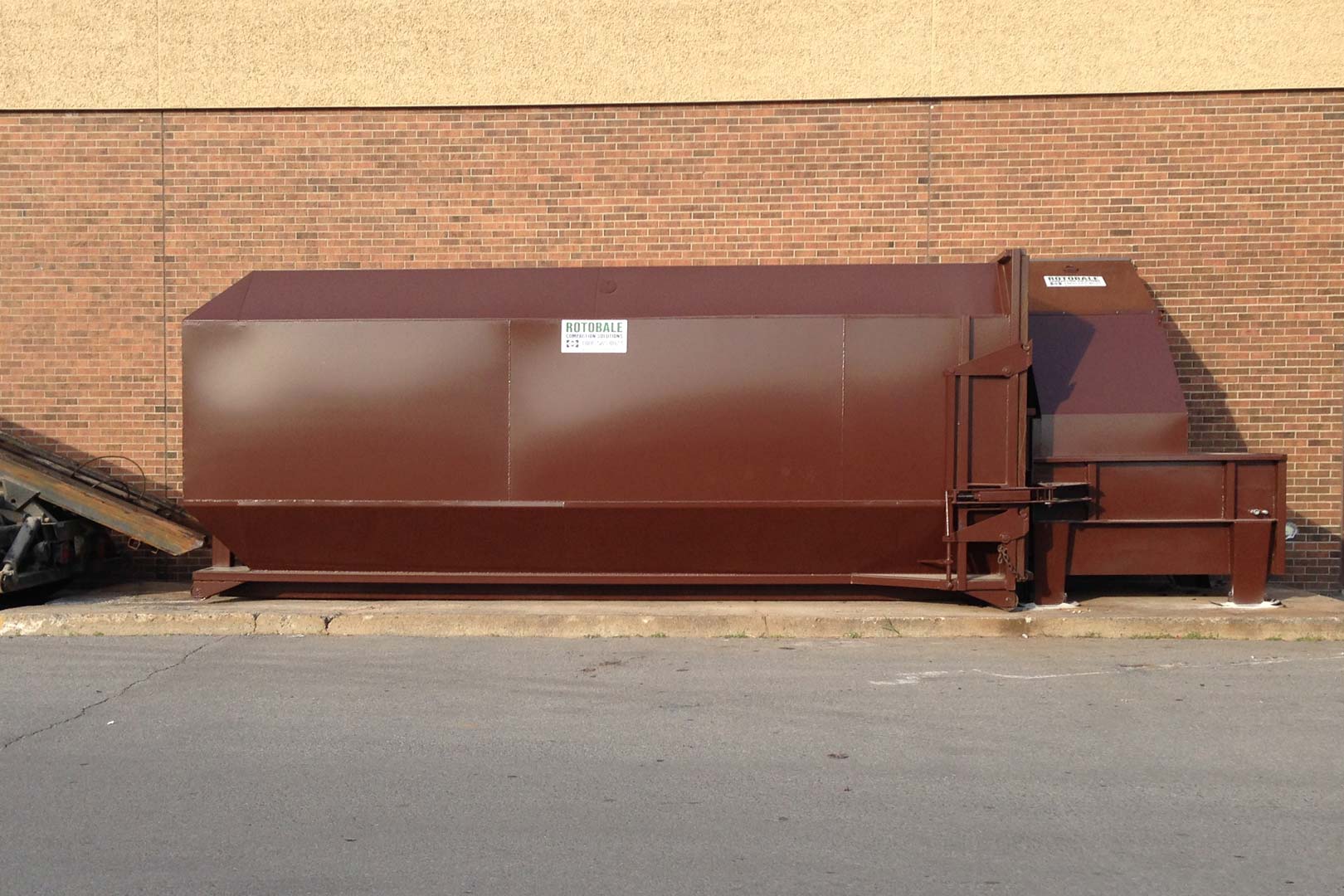
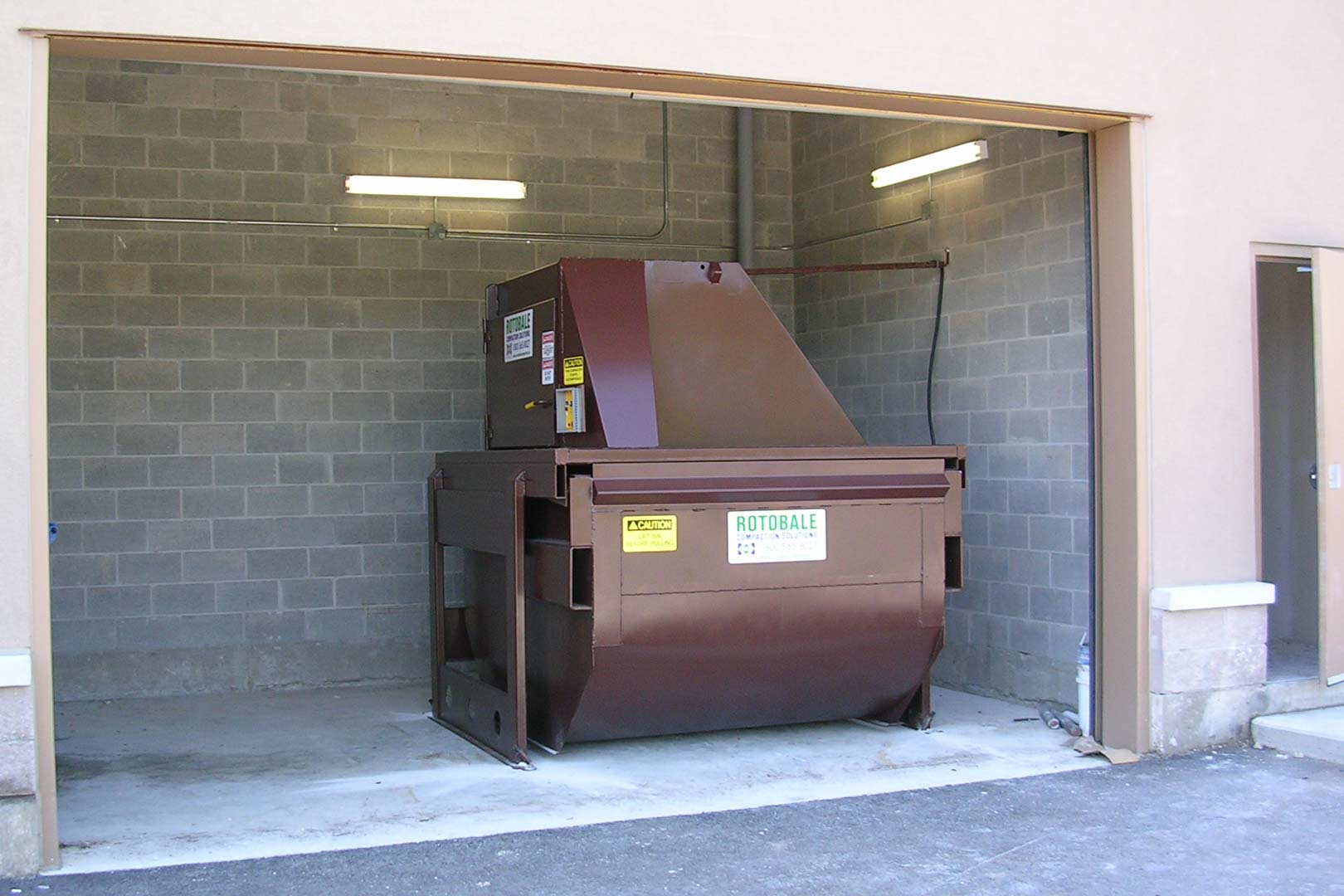
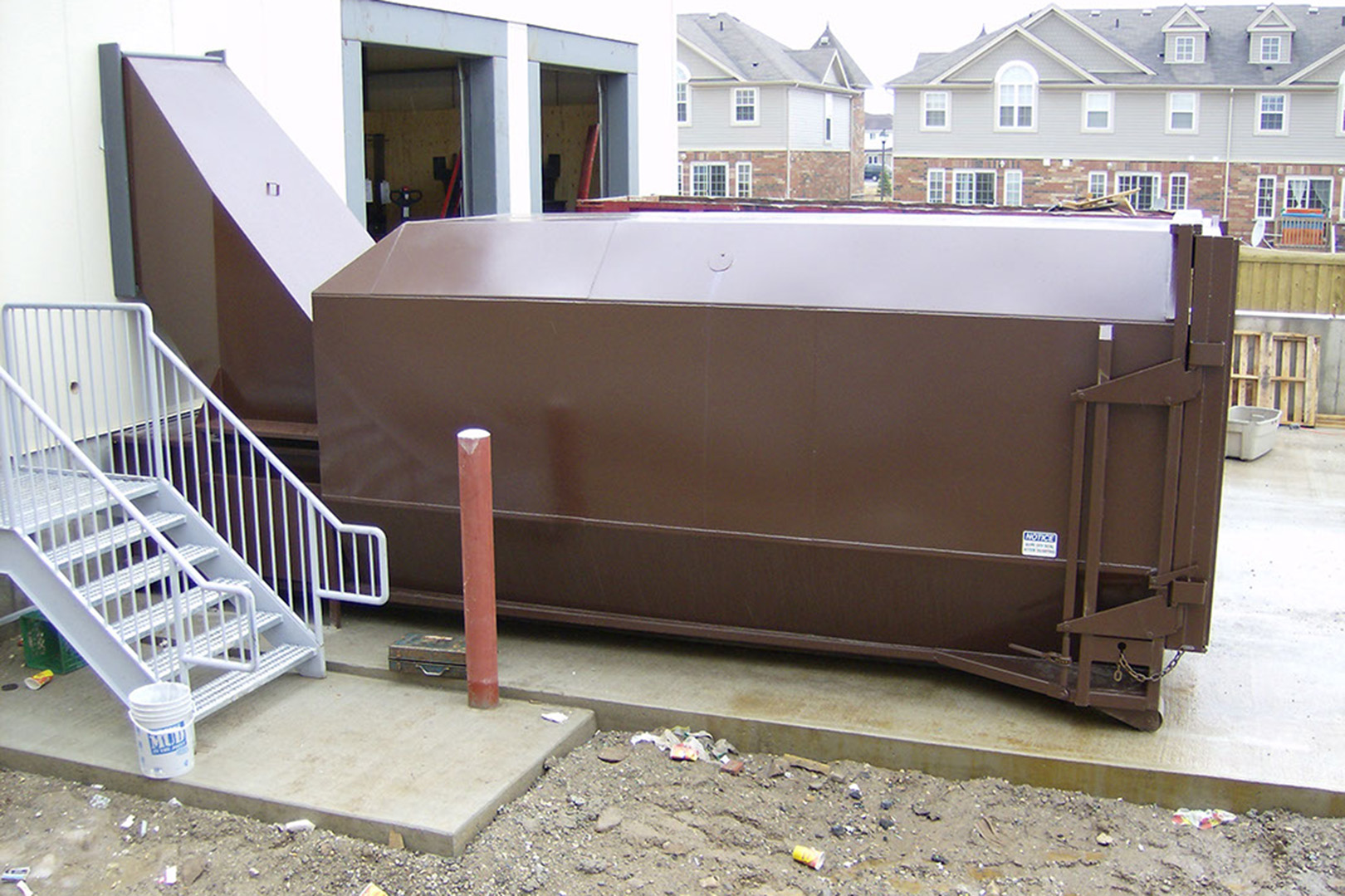
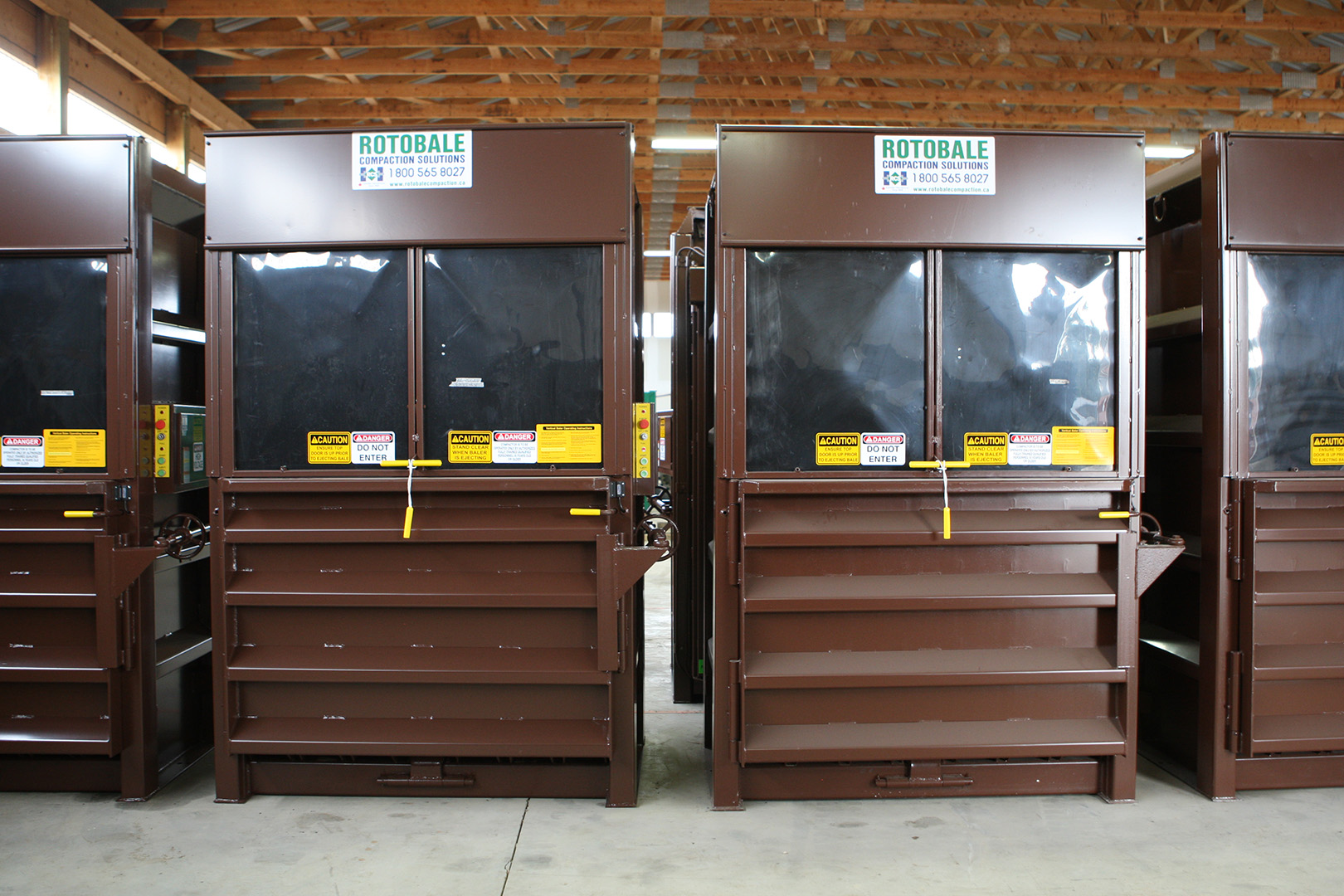
The right compactor depends on the materials your business generates and the space available at your location. Stationary compactors handle dry waste, while self-contained models accommodate wet and liquid-producing waste. Vertical self-contained compactors offer another option for facilities with limited space.
To discuss compactor rental at your property, call 905-642-0162 or email [email protected]. Share your address, waste requirements, and available installation space so we can recommend suitable equipment and confirm service arrangements for your location.
What Should Businesses Consider Before Starting a Waste Compactor Rental?
Before renting a waste compactor, businesses should consider how the equipment will fit into their day-to-day waste management operations. A successful setup depends on more than choosing the right unit. It should support efficient waste handling, consistent employee use, reliable collection, and ongoing service without disrupting normal operations.
Establishing an Efficient Waste Handling Process
Consider where waste originates and how it will move to the compactor during a normal workday. A supermarket may handle waste differently from a warehouse or food-processing operation. The placement of the unit should support those routines without creating unnecessary handling or interfering with vehicle access, loading areas, or other facility operations.
Preparing Staff for Consistent Compactor Use
Clear responsibilities make day-to-day operation easier to manage. Employees should know what materials belong in the equipment, who is authorized to operate it, and what to do when the unit requires attention. Consistent staff training also helps reinforce safe operation and prevents avoidable problems caused by incorrect loading or handling.
Planning for Service Needs and Operational Continuity
Maintenance coverage should be considered alongside collection service. Regular inspections and preventive maintenance help keep equipment operating as intended, while access to emergency repairs provides support when unexpected problems occur. Collection timing should also match actual output so the compactor is emptied often enough to support operations without scheduling more pickups than the site requires.