Businesses generate different types and volumes of waste every day. Choosing the right equipment to handle that waste affects efficiency, cleanliness, and operational costs. The two most common options are a compactor or a traditional dumpster, and each serves a different purpose depending on how a facility manages its waste stream.
Many organizations struggle with deciding which system will work best for their operations. Waste volume, available space, and the type of materials being discarded all influence that decision. A compactor can significantly reduce waste volume through compression, while dumpsters provide a straightforward storage solution until scheduled pickup.
At Butler Disposal, we help businesses evaluate their waste handling needs and select equipment that supports safe, efficient operations. Understanding how these systems work and where they perform best makes it easier to choose the right approach. The first step is understanding how a compactor functions in commercial waste management.
Choosing a Compactor or Dumpster Based on Waste Volume and Efficiency
Understanding How a Compactor Works
A commercial compactor is a mechanical system designed to compress waste materials and reduce their overall volume. By compacting trash, cardboard, packaging materials, and other waste, businesses can fit significantly more material into a single container before it needs to be hauled away.
Compression reduces the physical space waste occupies. This means fewer collections and less frequent hauling. Facilities that produce large quantities of waste benefit from this efficiency since compaction can lower the number of service pickups required throughout the month.
Retail stores, restaurants, warehouses, distribution centres, and manufacturing facilities often rely on compaction systems to manage consistently high waste volumes. By compressing waste before disposal, businesses maintain cleaner waste areas and reduce the number of containers required on-site.
How Dumpsters Handle Commercial Waste
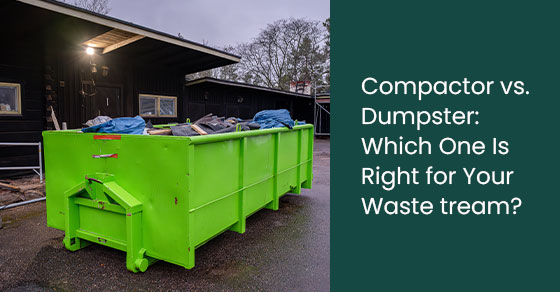
Dumpsters function differently from a compactor system. Instead of compressing waste, dumpsters store materials until they are collected by a waste hauler. Once the container is full or reaches its scheduled pickup time, the contents are transported to a disposal or processing facility.
Dumpsters come in several sizes, which allows businesses to match container capacity to their waste output. Smaller containers may work well for offices or retail spaces with moderate waste generation, while larger dumpsters support facilities producing larger quantities of debris.
For many businesses, dumpsters provide a flexible and simple solution. They do not require mechanical operation and are easy to place in areas where space is limited. Construction sites, renovation projects, and smaller commercial facilities often use dumpsters because they accommodate changing waste volumes and temporary disposal needs.
Waste Volume: The Biggest Factor in Choosing Equipment
Waste volume often determines whether a business should choose a dumpster or a compactor. High-volume facilities benefit from compaction, as compressing waste allows more material to fit into a single container.
When waste is compacted, hauling frequency typically decreases. This can lower transportation costs and reduce the number of service visits required during busy operational periods. Facilities generating large quantities of cardboard, packaging materials, or mixed commercial waste often see the greatest benefit.
Dumpsters, however, remain an efficient solution for businesses that produce smaller or moderate amounts of waste. If the waste stream remains manageable without compression, a dumpster may provide adequate capacity with less equipment complexity.
Comparing Vertical Compactor and Self-Contained Compactor Options
Businesses that require compaction equipment often choose between a vertical compactor and a self-contained compactor system. Each option supports different waste streams and operational environments.
A vertical compactor is commonly used for dry waste materials. Cardboard boxes, packaging materials, plastics, and general trash can be compacted efficiently using this type of system. These units are often installed in warehouses, distribution centres, and retail environments where dry recyclable materials accumulate quickly.
A self-contained compactor is designed to manage wet waste applications. Restaurants, grocery stores, food processors, and hospitality businesses often generate waste containing liquids or organic material. The sealed container design helps control odours and prevents liquid leakage during compaction and transport.
Facility layout, sanitation requirements, and the type of waste being produced all influence which system will work best. Businesses with large waste streams typically install compaction systems when their disposal needs justify the efficiency improvements.
Maintenance, Service, and Compactor Repair
Dumpster systems require relatively little maintenance. Since they are passive containers without moving parts, they rely mainly on regular hauling schedules to maintain proper waste management.
A compactor, on the other hand, is a mechanical piece of equipment. Like any machine, it may occasionally require maintenance or compactor repair to ensure it continues operating safely and efficiently. Routine inspections help identify wear, hydraulic issues, or operational concerns before they disrupt daily operations.
Working with a professional waste service provider helps ensure that maintenance and compactor repair are handled quickly when needed. Reliable service keeps equipment functioning properly and prevents waste management disruptions that could affect business operations.
Advantages of Compactors and Dumpsters for Different Businesses
Both compactors and dumpsters offer advantages depending on how a facility generates and manages waste.
Compactor advantages include:
- Reduced waste volume through compression.
- Lower hauling frequency for facilities generating high waste volumes.
- Cleaner and more organized waste areas due to contained materials.
- Efficient handling of consistent large waste streams.
Dumpster advantages include:
- A simple and flexible waste disposal solution.
- Suitable capacity for lower or variable waste volumes.
- Minimal equipment maintenance requirements.
- Practical use for small businesses, renovations, and temporary projects.
Each option supports different operational needs, and choosing the right system depends on the type of waste a business generates and how frequently it needs to be removed.
Factors Businesses Should Consider Before Choosing a Waste Solution
Several operational factors should be evaluated before selecting waste handling equipment. Key considerations include:
- Waste volume and material type, particularly when businesses generate large quantities of cardboard, packaging materials, food waste, or mixed trash.
- Available space for equipment installation, since compaction systems require adequate placement areas and safe access for servicing while dumpsters may require less dedicated infrastructure.
- Waste pickup schedules and hauling logistics, as facilities with frequent waste generation may benefit from the reduced hauling frequency provided by a Compactor.
- Sanitation requirements and odour control considerations that influence how waste should be contained and managed.
- Long term operational efficiency and cost considerations that affect ongoing waste management performance.
Evaluating these factors helps businesses choose equipment that supports safe and efficient waste handling.
Finding the Right Compactor or Dumpster for Your Waste Stream
Both dumpsters and compactors can support effective commercial waste management depending on a business’s operational needs. Facilities with high waste volumes often benefit from a compactor system that compresses material and reduces hauling frequency. Businesses with smaller or more variable waste streams may find dumpsters provide the flexibility they need.
Working with an experienced waste provider helps ensure the equipment matches the waste stream. Butler Disposal works with businesses to evaluate their waste handling requirements and recommend the most effective solution.
To find compactor rental options, reach out to Butler Disposal today at 905-642-0162 or click here to request a quote online.
Frequently Asked Questions
What is the difference between a compactor and a dumpster?
A compactor compresses waste to reduce its volume, while a dumpster stores waste until it is collected and hauled away.
When should a business consider using a compactor?
A compactor is often useful for businesses that generate large volumes of waste and want to reduce the number of waste pickups.
When is a dumpster the better choice?
Dumpsters can work well for businesses with moderate waste output, limited space, or temporary waste disposal needs.
What is a vertical compactor used for?
A vertical compactor is commonly used for dry waste such as cardboard, plastics, and general trash in commercial settings.
What is a self-contained compactor?
A self-contained compactor is designed for wet waste applications because it prevents liquids from leaking during compaction and transport.
Do compactors require regular maintenance?
Yes, routine inspections and occasional compactor repair help ensure the equipment operates safely and efficiently.